
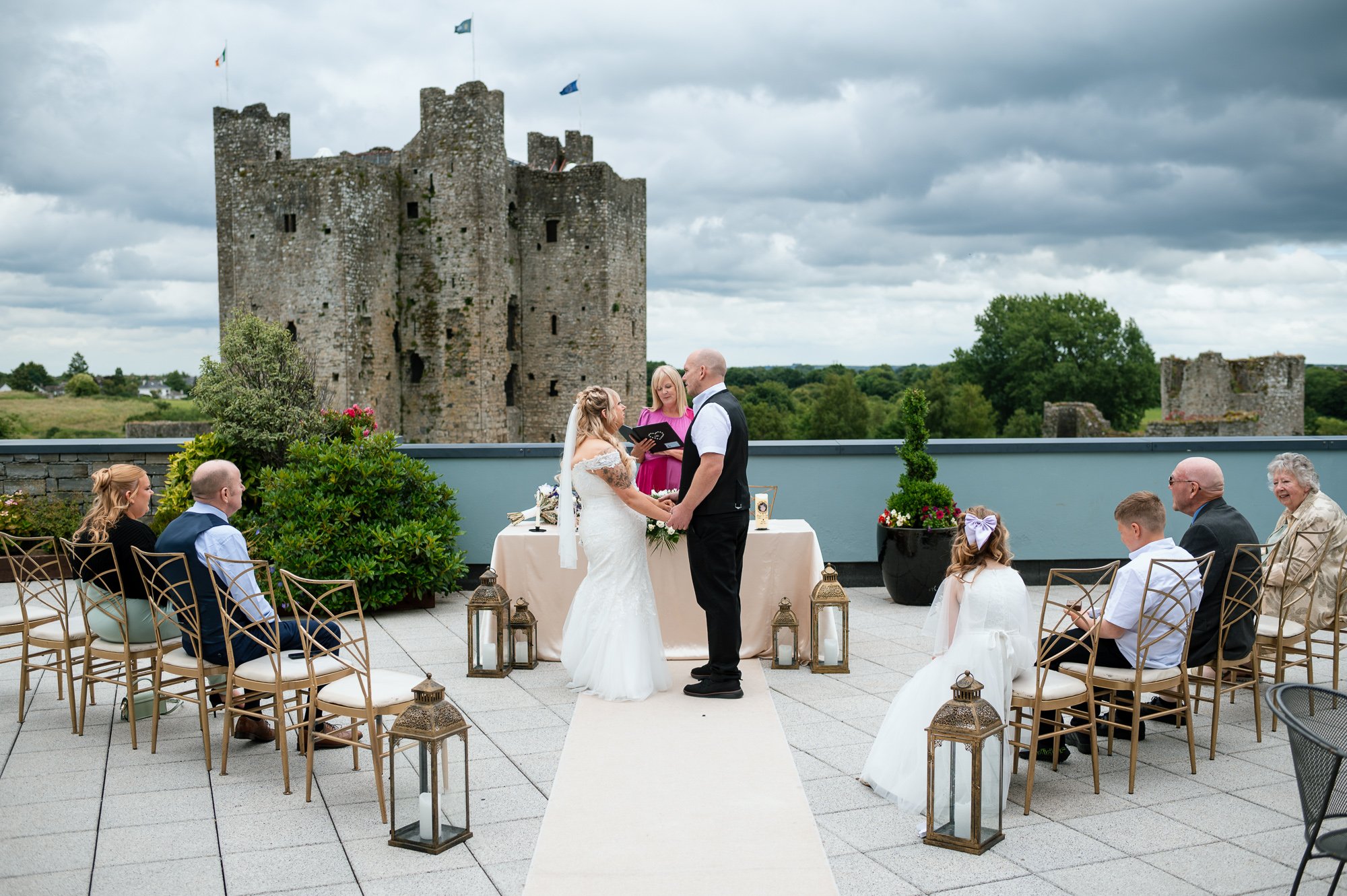
A few months ago, I photographed a small, intimate wedding, and my client, Michelle, felt anxious about being photographed for five hours.
I totally get it. The thought of having someone follow you with a camera for that long makes most people nervous. And for Michelle’s family, who are neurodivergent, the idea of posed photography, forced smiles, or having to “perform” didn’t feel comfortable.
Not hiring a photographer would have meant losing those moments forever. So they decided to try documentary photography instead.
And here’s what happened: the time flew by. And now, every time Michelle opens her album, she relives that day all over again.

Why posed photography doesn’t work for everyone
Traditional posed photography asks a lot of people. Stand here, smile this way, hold that position, make eye contact. For neurodivergent families, these expectations can feel genuinely distressing, not just uncomfortable.
Michelle’s family knew what they didn’t want. They didn’t want to force poses. They didn’t want to pretend. They didn’t want a photographer who would expect them to act a certain way or reenact genuine moments for the camera.
What they did want was simple: real moments. Natural smiles. Photos that felt like them.
And honestly? That’s what most families want, whether they’re ND or not.
How documentary photography works
Documentary photography (also called storytelling photography) is different. Instead of directing, I observe. Instead of posing, I wait for moments to unfold.
With Michelle’s family, this meant I showed up with a gentle presence, not commanding attention, just quietly there. Within the first hour, the nervousness faded. The camera stopped being a big deal.
They got on with their day. Talking, laughing, being themselves. And I captured it all.
No performing. No pressure. Just real moments, documented.

What happens when the experience feels right
Michelle’s favourite part came later: opening her albums and seeing their day again.
She loved the natural smiles. The little moments she hadn’t even noticed at the time. The way her family interacted with each other, all captured honestly.
She told me she was surprised by how much you can relive a day through photos. Every time she looks through them, she gets “the most amazing feeling.”
That’s the thing about documentary photography. When you’re not thinking about the camera, when you’re just being yourselves, the photos reflect who you actually are. And those are the ones you want to look at again and again.


If you’re looking for a photographer
If you’re feeling anxious about being photographed, here’s what to look for:
Someone who works documentarily. This means they’ll capture real moments rather than pose you.
Someone with a calm presence. The photographer’s energy matters. A lot.
Someone who understands neurodivergence, if that’s relevant to your family. They won’t expect you to perform or do anything that feels unnatural.
And someone who’ll go at your pace. The right photographer adapts to you, not the other way around.

A few thoughts if you’re preparing for a session
Tell your photographer about your concerns upfront. Anxiety, sensory sensitivities, things that make you uncomfortable: share them. A good documentary photographer will adjust their approach.
Pick somewhere you feel safe. Your home, a familiar park, a place where you can relax. Location matters.
Think about what you’d naturally do together. Don’t plan a photoshoot. Plan a morning. Reading, playing, making breakfast, going for a walk. Documentary photography captures these real moments.
Know that the first few minutes might feel awkward. That’s normal. It passes quickly.
Trust that you don’t need to “do” anything. The whole point is capturing who you really are. Just be yourselves.
Why those first few nervous moments are worth it
Michelle’s story shows something important: that brief discomfort at the beginning doesn’t last. What stays are the photos.
Photos that capture your family exactly as you are. That preserve small moments you might otherwise forget. That let you relive important days with surprising emotional power.
Real smiles. Honest expressions. Your actual family story.
And yes, sometimes it feels vulnerable to be seen. But being seen is part of your family’s story too.

A few questions people ask
What makes documentary photography different? It captures real moments as they happen, without posing or direction. You just live your day, and I document it.
Does it work for all families? Yes, but it’s especially good for families who feel uncomfortable with traditional posing: ND families, families with young children, anyone who feels anxious about being photographed.
How long are the sessions? Usually 2-12 hours, depending on what we’re documenting. Longer sessions give you time to relax and forget about the camera.
Will we still get photos of everyone together? Absolutely. I capture both candid moments and natural group interactions. You won’t be rigidly posed, but you’ll all be in the frame.
What should we wear? Whatever feels comfortable and represents your family. The goal is authenticity, so wear what you’d normally wear together.
Michelle’s words
“Johanna photographed our recent very small intimate wedding. She instantly put us all at ease with her authentic, gentle and kind manner. Her photographs are amazing and every time I look at them, it feels like I’m reliving our special day. She captured such lovely, precious little moments of interaction between us all, as well as the big moments. We are a ND family, and her relaxed documentary style of photography really worked for us. I would highly recommend Johanna’s work.”
If Michelle’s story resonates with you, I’d love to hear from you. Whether it’s a family session, a small wedding, or a day in your life you want to hold onto, I’m here to document it gently, authentically, and without any pressure. Fill out my contact form and we’ll get chatting.
