
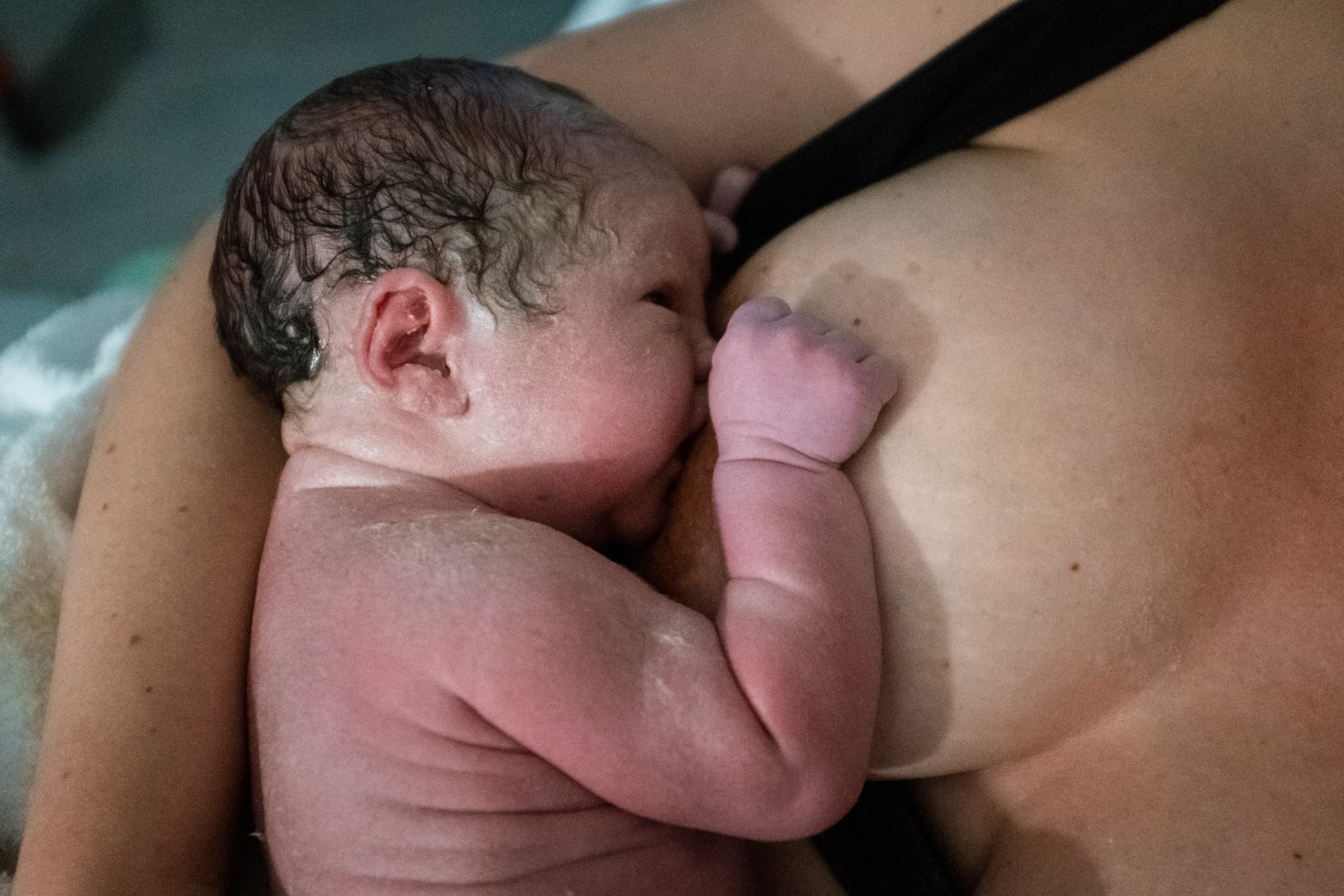
Choosing where to give birth can be an obvious decision for some and a very difficult one for others. Comparing one hospital against an other can be difficult, and when we are expecting our first baby, we may not know the most important questions to ask our GP.
I am Johanna King, a documentary newborn & family photographer based in Dublin, but I am writing this blog post from the perspective of a mother-of-two, hoping to help expecting parents choose the right place of birth for them.
I remember the very first appointment of my first pregnancy as if it was yesterday. I hadn’t done my research beforehand so I had no idea what to expect. It went really really fast and when my doctor asked “Which hospital do you want me to refer you to?” I had no idea how to answer this question. I knew the Rotunda Hospital was the closest so it just seemed like the right choice and I never gave it a second thought.
For my second and third pregnancy, I knew better, and I opted for the Rotunda for one specific reason: the Domino Scheme (cared for by community midwives). You will likely choose to base your choice on a different factor, and I will try to list all of the important factors (as well as some less important ones).
While this article will focus on places to give birth in Dublin (Ireland), most of the advice can be applied anywhere in the world.
Note: this blog post was NOT AI-generated.
Childbirth options in Dublin
Dublin Maternity Hospitals
Home Births in Dublin
You can choose to have a home birth in Ireland, if you have a low-risk pregnancy.
If this is your chosen place of birth, you may still need to register with a maternity hospital (see useful links at the bottom of this article for up-to-date information on Home Births).
Factors to consider when choosing where to give birth
To me, there are several factors that will influence where you choose to give birth:
- Where you live: access to the hospital & services available to you based on your address
- Your pregnancy risk level: high-risk vs. low-risk
- Personal preferences: what is most important to you (there isn’t one location that is the absolute “best”)
- Services available in each location (birthing pool, food quality, breastfeeding support…)
- Specific consultants (if you have a recommendation)
- Data
While asking friends & family for their feedback is a good idea, I would caution that the experience will greatly vary depending on the exact day/time you happen to give birth (and the care providers working on the day). You will hear from people having amazing experiences from all three Dublin maternity hospitals and you will also hear from people with terrible experiences – unfortunately.
I had two very good experiences in the Rotunda, and I had friends with very good experiences both in Holles Street and the Coombe, but I’m sure you will find the opposite as well.

Community midwifery service: an option at all Dublin maternity hospitals
As I explained in the introduction, this service was THE reason I went back to the Rotunda for my son in 2022 after benefiting from this amazing service in 2015 with my daughter.
This service is called Domino Scheme when the baby is delivered in hospital and the community midwifes can also deliver your baby at home.
What does the midwife-led care mean?
While you still register with a specific Maternity Hospital, you may only have to go there for a couple of the main ultrasounds. If I remember correctly, in 2022, I only had to go into the Rotunda for the 12-week and the 20-week anatomy scans, and then the birth.
My pregnancy was low-risk and all the other checks were done at the Ballymun Health Centre on Thursdays between 2-4pm. A 5 mins drive, easy parking, comfortable (probably shorter) wait, and amazing, personal care.
I have nothing against the care given in the hospital itself, but when you’re 30-40 weeks pregnant, it’s not fun having to go in every two weeks.
The other benefit was being able to go home early (Early Transfer Home) and being cared for, at home, by visiting midwife. Again, I can totally understand staying in hospital longer being beneficial in some instances, but when you’re in a ward with 8 other women and babies and get 0 sleep, you’re usually craving your own room and bathroom.
“All women are delivered in the hospital. You will be offered early transfer home within 6 and 24 hours of the birth and care is offered to you and your baby up to 7 days after birth in your home.”
I have fond memories of the midwife visits at home as well. I don’t remember all the midwives themselves, but it’s such a both foggy and special time… I was on a “high” for both of my babies right after the birth and the visits marked the days. I looked forward to them like special visitors and felt cared for.
Note: even with this service, you can still avail of antenatal parent education, breastfeeding and hypnobirthing classes.

But why the Rotunda, if it’s available everywhere?
Each of the community midwifery services work with catchment areas. While I have listed catchment areas below, it is best to check the links at the bottom of this article and contact the teams for confirmation if you’re unsure.
The Rotunda’s community midwifery service is available for women living in the city centre, north county Dublin and Ashbourne.
Note: This service is offered under the public care options available in the Rotunda.
The NMH – Holles street catchment areas for early transfer home seems to be city centre, south county Dublin and part of co. Wicklow.
The Coombe Hospital’s catchment areas for Early Transfer Home Service is listed as Dublin 8, 10, 12, 20, 22, 24, Lucan, Saggart, Rathcoole, Naas, Kill, Sallins, Johnstown, Newbridge.
Community Midwifery and Home Births
While I am less familiar with home births, I understand that the community midwifery services from The Coombe hospital and The NMH (Holles Street) also cover home births.
However, the Rotunda doesn’t seem to be part of the scheme.

Is it even possible to compare Maternity Hospitals?
I was wondering whether there were other factors apart from location (easy access) to consider when choosing your maternity hospital, and I do think that if you were close to 2 or 3 Dublin hospitals, then it makes sense to look into the “details” (which are much more than details).
For example, having access to a bath or birthing pool, to me, was the dream. In 2015, there was no birthing pool at the Rotunda, but I luckily had access to the only bathtub for a lot of my early labour, which was fantastic.
Parking, visiting hours, size of wards, and even food, are important factors.
And even if they don’t make it into the pros & cons list, it might be nice for you to know what to expect.
So, instead of listing the pros & cons of each hospital, I’m going to list each factor and give you as much information I can for each hospital. I will not go into the rate of interventions (the rate of episiotomies will definitely scare you), but you can find links to documents/sites that will give you that information lower down the article.
Birth pool availability and access policy
Water is a wonderful wonderful way to help with labour. It has a relaxing quality, increasing coping abilities and reducing the need for pain relieving drugs.
One of the draws of a homebirth to me, now available in hospitals (if you’re lucky to fit the criteria and need it when it’s free). I was very hopeful I would get access to it for my son in 2022. Unfortunately, it was not free when I needed it. This being said, I wouldn’t have had a chance to get in, as it went so fast.
The Rotunda Hospital
Bespoke birthing room. The birthing pool was installed in The Rotunda in 2022. See photos of the room and pool on this Facebook announcement.
More photos and details on who can use the pool for labour on: https://rotunda.ie/rotunda-pdfs/PIL/WaterForLabour.PDF
If the link above is broken, check this page under the section “Natural methods of pain relief”: https://rotunda.ie/pregnancy-journey/labour-and-birth/
Important: Water births are NOT currently facilitated at the Rotunda Hospital (so you will have to get out for the actual delivery)
The NMH – Holles Street
Hydrotherapy pool. The NMH refurbished their Labour & Delivery Unit in 2022. Twelve of these rooms accommodate the use of water in labour, either using the hydrotherapy pool or a shower.
Virtual tour and more info on: http://www.nmh.ie/labour-delivery/preparing-for-labour.13614.html
Detailed Information Booklet: https://www.nmh.ie/_fileupload/birthing-pool-information-booklet-6.pdf
Note: From what I am reading, you can birth in the pool at the NMH, but not for the third stage of labour (birthing your placenta).
The Coombe
Birthing Pool. “It was May 2014 when Celene Murphy became the first woman to birth her baby in water at the Coombe Women and Infants University Hospital.” The Irish Time
Info page: https://www.coombe.ie/birthingpool
Information leaflet: Click here for the PDF
Note: You can have a water birth (deliver the baby in the pool) at the Coombe Hospital.

Parking & Public Transport
Unfortunately, none of the Dublin maternity hospitals have on-site car parks big enough to accommodate all patients for appointments or birth. It was a stressor for me, and I’m sure I am not the only one.
While public transport is great for appointments, it is less suitable when you’re breathing through contractions (or your waters have broken).
Note that a parking app can allow you to pay for on-street parking without having to go back to your car (which wasn’t available for my first birth, but was for my 2nd).
On the day of the birth, my husband left me at the door and went to park the car without me, as I couldn’t handle much walking.
The Rotunda
- The Rotunda is well served by public transport, both buses and the LUAS.
- The Rotunda has a small on-site car park, open Monday to Friday: 4.30 pm to 11 pm and Saturday, Sunday and Bank Holidays: 9 am to 11 pm. Fee: €6 per visit, payable at the barrier on leaving.
- Street parking: there is paid on-street parking around the Rotunda. There are also multi-storey car parks nearby.
- Parnell Centre: The Rotunda’s patients, visitors and staff can park in the Parnell Centre car park for a maximum cost of €6.50 per day. The car park is a 5 minute walk from the hospital. The car park is open 24 hours/day, 7 days/week.
With both of my children, we chose not to use the on-site car park because of the closing time, and opted for street parking (night time) or the Parnell Centre (although my husband forgot to validate the ticket with the security and paid full price).
The Coombe
- The Coombe is well served by public transport, both buses and the LUAS.
- The visitor’s car park on site has limited spaces. It is open 24 hours a day, seven days a week.
- There are a small number of paid parking near the hospital.
I don’t have personal experience with The Coombe, but after doing a short search, parents tend to avoid the on-site car park (where you could end up queuing for a while) and find alternatives locally. Checking it out in advance would be my go-to!
The NHS – Holles Street
- Hollest Street is well served by public transport: buses, DART and the LUAS.
- There is no public parking within the hospital grounds.
- Pay-and-display on-street parking is available around the hospital.
- There are some multi-story carparks within walking distance of the hospital.

Food quality
I do not know what Holles Street and The Coombe are like, but anyone who has given birth at The Rotunda agrees that the food is amazing.

Not only do you get 3 meals a day, but also snacks in between. The meals are hearty and you get a choice usually between two options.
I still brought snacks with me for my second, as you get hungry at night/early morning, but thumbs up for The Rotunda.
Breastfeeding support
If breastfeeding your baby is important to you, I strongly recommend you get as much information about it before the birth and read my other blog post The Real Essentials: For the Breastfeeding Mum Who Might End Up Co-Sleeping.
Having a Cuidiú Breastfeeding Counsellor on speed dial will be key, as well as attending any antenatal classes focusing on breastfeeding offered by your maternity hospital.
Why? Because hospital lactation consultants aren’t available at weekends, and are short-staffed.
Breastfeeding in the first few days can be difficult, and you may have a lot of questions. While all midwives are trained and will do their best to support you, this is a sensitive time (hello, tiredness and newborn fog) and if your newborn is crying and a midwife recommends a formula top up, it’s best to be informed about what is normal, what can be done etc.
So, the key is education, support, and not to give up too early. Breastfeeding does become easier (if it doesn’t, there might be a latch issue and then a lactation consultant should be able to help). And if this is your choice, it can truly be an amazing way to feed your baby. (I loved it – and still do.)

Pre-natal classes & education
All hospitals will offer really valuable antenal classes in-person and/or online. Check their websites, posters and flyers and don’t skip this step.
While nobody can control birth or plan their birth to be “perfect”, antenatal education is key to feeling prepared, making informed decisions, and understanding all the jargon.
We underestimate how difficult it can be to ask questions during labour, so having a birth partner who is also informed and act as your advocate is also important.
Note: while a birth plan is not mandatory, writing down birth preferences and running these with your hospital before the birth can make all the difference to your birth experience. (Again, it’s easier to make a birth plan when you are informed about the different options and so on.)
For my 2nd baby, I did a group hypnobirthing class with The Rotunda (online), and it was the best thing I ever did.

Opting for a Home Birth in Dublin
I read Ina May’s Guide to Childbirth when I was pregnant with my first and by the end of it, I was convinced that home births were the best for a calm and intervention-free birth.
It wasn’t the right option for us at the time, and because of a significant blood loss during the placenta delivery, it wasn’t an option for me the second time around either, but I know it is the best option for a lot of families.
I won’t cover the ins and outs of having a home birth (but I have put useful links at the bottom of the article).
What may be more interesting are the different factors that could help you decide whether to choose home as the place for your birth.
Pros:
- Giving birth in a comfortable, calmer, familiar place
- Likelihood of fewer interventions
- More control over the environment: music, light, candles…
- Possibility to have a birth photographer! (Like me)
- Possibility to have a water birth (buy/rent a birth pool)
- Possibility to have older children join in the process (this could be a con for some)
- Possibility to have close family/friends for support
- No hospital stay in a busy and noisy ward
Cons:
- Risk of needing a hospital transfer during labour (potentially stressful, especially if more than 20 minutes away)
- Limited access to pain relief options (no epidural available)
- Not suitable for high-risk pregnancies or those with complications
- May require additional preparation and supplies for your home environment
- Cost (if going for a Private Midwife)
Every birth is different, whether at home or in the hospital. Some need a transfer before birth, some need one after birth, but most have a beautiful and calm, uneventful birth at home.
If you’re curious about home births, let me know in the comment, and I could point you to Irish home birth stories.
Checking the data, useful or scary?
While I can’t say that the data from each hospital led me to choose one over the other (as explained previously), I remember checking the data (numbers of interventions, c-sections etc.) before making my final decision.
Trigger Warning: These hospital reports contain statistical data on stillbirths, infant mortality, and birth interventions. This information may be distressing for those who have experienced pregnancy loss or birth trauma.
Hospital’s most recent annual reports
- Rotunda: https://rotunda.ie/latest-reports/ (Check Apendix 1 for the percentages of interventions)
- The Coombe: https://www.coombe.ie/annual-report (Check p24-31)
- The NMH – Holles Street: https://www.nmh.ie/news/the-national-maternity-hospital-annual-report-2023.21211.html
Births Statistics by bumptobabe
The BumptoBabe website (independent guide to maternity services in Ireland) published these interesting Births Statistics with data from 2016-2017 (so not very recent): https://www.bump2babe.ie/birth/index.html
I’m sure it takes a huge amount of time to get this kind of data updated regularly.
HSE – Irish Maternity Indicator System
Here is a link to the Irish Maternity Indicator System, National Report 2023: https://www.hse.ie/eng/about/who/acute-hospitals-division/woman-infants/national-reports-on-womens-health/irish-maternity-indicator-system-national-report-2023.pdf
“This Irish Maternity Indicator System (IMIS) National Report 2021 shows data from the 19 maternity hospitals and/or units in Ireland from January through December 2021.
It encompasses 41 metrics across a range of categories, including deliveries, obstetric risks and complications, neonatal care, breastfeeding, laboratory metrics, hospital activities, and demographics.”
While this document doesn’t compare the hospitals, you can check for a national average to compare the data against.
And you will find out that:
- The number of total births in Ireland in 2023 was 54,488.
- The Rotunda “wins” with over 8000 births in 2023 (that’s an average of 21.91 per day!)
- The NMH and The Coombe come just under 7000 births in 2023
Conclusion
I really really hope this blog article was useful. And you may be wondering why a photographer would be publishing a blog post about birth places in Dublin.
The truth is: I’m hoping you will find this article helpful and remember me when your baby arrives and hire me to take documentary newborn photos at home OR, even better, email me while you’re pregnant so we can secure a date in my calendar ahead of the craziness. I also do documentary maternity sessions.
And if you’re not in a position to hire a photographer, then have a look at my free resources and online courses for parents to take better, more meaningful photographs of their family AND get them printed.
That’s it. That was my “agenda”. Not too bad, I hope.
Also, I wouldn’t have just spent hours researching and writing this blog post, if I didn’t like this subject and cared about you making the best decision for you.
Choosing a place to give birth is an important decision. It might not matter in the end, and you could have a very similar experience wherever you choose to go, but it could have a big impact on your family’s story.
A positive birth experience is possible in any setting, and I wish you the most positive pregnancy and birth possible.
Lastly, if you’re interested in reading my birth story, you can head over to My Baby Beginnings’ blog. Niamh Cassidy is a lactation consultant based in Dublin, but she also provides antenatal courses and a workshop on VBACs. I believe Niamh had her second baby as a VBAC at home! I had shared my birth story to my newsletter, and she asked whether she could publishit on her blog. It’s a beautiful and intense hospital birth story that starts with my waters breaking on the beach in Dollymount.
Useful links
- Maternity Care info on the HSE Website
- Home Births Options HSE Website
- National Home Birth Services on the HSE Website
- Maternity Services in Ireland on the Citizen Information Website
- Home Births info on the Citizen Information Website
- The Rotunda Hospital – Options of care (including community midwifery service)
- The Coombe – Community midwifery service
- The National Maternity Hospital, Holles Street – Community midwifery information
- The NMH – Holles Street: Eligibility Criteria for booking with the midwifery lef clinic (PDF)
- The NMH – Hollest Street: Catchment area for Homebirth Service (PDF)